

In today’s health-conscious world, vegetarianism is becoming increasingly popular due to its ethical, environmental, and health-related benefits. However, ensuring an adequate intake of protein, a vital nutrient for overall health and well-being, can be a concern for vegetarians. This comprehensive guide explores various vegetarian protein sources, their nutritional benefits, and tips for incorporating them into a balanced diet. Whether you’re a seasoned vegetarian or exploring plant-based eating, this guide will help you discover nutritious options to meet your protein needs.
Importance of Protein in a Vegetarian Diet
Protein is essential for building and repairing tissues, supporting immune function, and maintaining muscle mass and strength. While animal products like meat, poultry, and fish are traditional sources of protein, vegetarians can obtain sufficient protein from a variety of plant-based foods.
Key Vegetarian Protein Sources
- Legumes:
- Lentils: High in protein and fiber, lentils are versatile and can be used in soups, salads, and curries.
- Chickpeas: Also known as garbanzo beans, chickpeas are rich in protein and can be enjoyed roasted, in hummus, or added to stews.
- Black Beans: A staple in Mexican cuisine, black beans are protein-packed and ideal for burritos, salads, and bean dips.
- Nuts and Seeds:
- Almonds: Rich in protein, fiber, and healthy fats, almonds make a satisfying snack or can be sprinkled on salads and yogurt.
- Chia Seeds: Packed with protein, omega-3 fatty acids, and fiber, chia seeds can be added to smoothies, oatmeal, or used in baking.
- Pumpkin Seeds: High in protein and iron, pumpkin seeds are delicious when roasted and sprinkled over salads or soups.
- Quinoa:
- A complete protein source, quinoa contains all nine essential amino acids. It can be used as a base for salads, stir-fries, or as a side dish.
- Tofu and Tempeh:
- Tofu: Made from soybeans, tofu is versatile and can be grilled, stir-fried, or blended into smoothies for a protein boost.
- Tempeh: Fermented soybean product with a nutty flavor, tempeh is high in protein and can be sliced and grilled, used in sandwiches, or crumbled into salads.
- Dairy and Dairy Alternatives:
- Greek Yogurt: High in protein and probiotics, Greek yogurt can be enjoyed with fruit, nuts, or used as a base for smoothies.
- Plant-Based Milk: Options like almond milk, soy milk, and oat milk are fortified with protein and can be used in cooking, baking, or enjoyed on their own.
- Whole Grains:
- Brown Rice: Contains protein and can be served as a side dish, in stir-fries, or used in rice bowls.
- Whole Wheat Pasta: Provides protein and fiber, making it a nutritious base for pasta dishes when paired with vegetables and legumes.
Tips for Incorporating Vegetarian Protein Sources
- Plan Balanced Meals: Include a variety of protein sources throughout the day, such as beans, nuts, seeds, and whole grains.
- Combine Complementary Proteins: Pair incomplete protein sources (like beans and rice) to create a complete protein meal.
- Snack Smart: Keep protein-rich snacks like nuts, yogurt, or hummus with vegetables on hand to curb hunger between meals.
Nutritional Benefits of Vegetarian Protein Sources
- Fiber: Many vegetarian protein sources are also high in fiber, promoting digestive health and reducing cholesterol levels.
- Antioxidants and Phytonutrients: Plant-based proteins often contain antioxidants and phytonutrients that support overall health and protect against chronic diseases.
- Low Saturated Fat: Compared to animal proteins, vegetarian sources are typically lower in saturated fat and cholesterol, promoting heart health.
OVERVIEW OF VEGETARIAN PROTEIN SOURCES
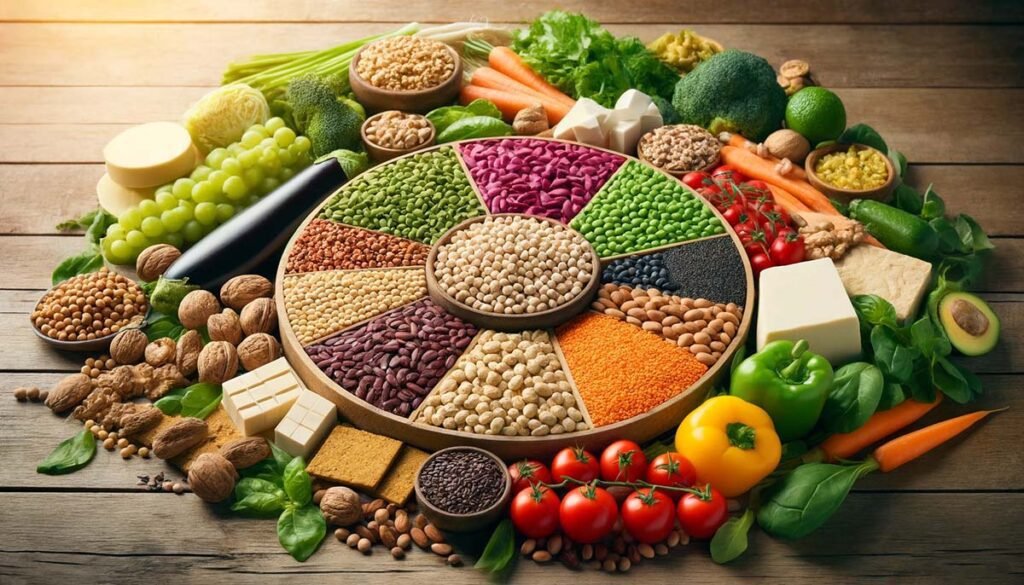
A Diverse Array of Options
Vegetarian diets offer protein-rich foods that meet nutritional needs without relying on animal products. These diverse sources include legumes, nuts, grains, and soy-based products. Each category provides unique health benefits and can be incorporated into various culinary practices, ensuring nutritional adequacy and variety.
Key Categories of Vegetarian Proteins
- Legumes: Including beans, lentils, and chickpeas, these are rich in protein and fiber, supporting digestive health and satiety.
- Nuts and Seeds: Almonds, walnuts, chia seeds, and flaxseeds are excellent sources of protein and healthy fats.
- Grains: Quinoa is a complete protein, offering all nine essential amino acids.
- Soy Products: Tofu and tempeh are versatile and nutrient-dense options, popular in many vegetarian dishes.
- Dairy and Plant-Based Alternatives: For dairy consumers, products like Greek yogurt are protein-rich, while plant-based milk and protein powders offer convenient alternatives.
By exploring these categories, you can ensure a balanced and enjoyable vegetarian diet rich in protein and other essential nutrients.
LEGUMES – NUTRITIONAL POWERHOUSES
Legumes, a staple in many vegetarian and vegan diets, are among the most nutrient-dense foods available. This category includes beans, lentils, and chickpeas, all offering significant health benefits. These plant-based proteins are high in protein and rich in essential nutrients such as fiber, vitamins, and minerals.
Nutritional Profile of Legumes
Legumes are celebrated for their impressive protein content. For example, chickpeas provide about 19 grams of protein per 100 grams, while lentils offer approximately 18 grams per 100 grams. Depending on the variety, beans can range from 15 to 25 grams of protein per 100 grams. In addition to protein, legumes are high in dietary fiber, which supports digestive health and helps maintain a healthy weight by promoting a feeling of fullness.
Health Benefits of Legumes
Legumes’ high fiber content helps regulate blood sugar levels, making them an excellent choice for individuals with diabetes or those looking to manage their weight. Combining protein and fiber also contributes to a lower risk of heart disease by reducing cholesterol levels. Legumes are rich in essential vitamins and minerals, including iron, magnesium, potassium, and folate, crucial for overall health and well-being.
Culinary Uses and Versatility
One of the most appealing aspects of legumes is their versatility in the kitchen. They can be used in various dishes, from soups and stews to salads and veggie burgers. Here are a few popular culinary uses:
- Chickpeas: Ideal for making hummus, adding to salads, or roasting for a crunchy snack.
- Lentils: Perfect for hearty soups, stews, and Indian dals.
- Black Beans: Commonly used in Mexican cuisine, excellent in burritos, tacos, and as a base for veggie burgers.
- Kidney Beans: Great for chili, casseroles, and mixed with rice dishes.
Examples and Specific Protein Content
To illustrate the protein content, consider these examples:
- Chickpeas: 19 grams of protein per 100 grams.
- Lentils: 18 grams of protein per 100 grams.
- Black Beans: 21 grams of protein per 100 grams.
- Kidney Beans: 24 grams of protein per 100 grams.
By incorporating legumes into your diet, you can enjoy their nutritional benefits while exploring a variety of delicious and satisfying dishes. These nutritional powerhouses are a cornerstone of vegetarian and vegan diets, providing essential nutrients and promoting overall health.
NUTS AND SEEDS – COMPACT NUTRIENT SOURCES
Nuts and seeds are convenient and tasty snacks and pack a powerful nutritional punch. These small but mighty foods are rich in protein, healthy fats, vitamins, and minerals, making them essential to a balanced vegetarian diet. Including nuts and seeds in your meals can help meet your daily protein needs while providing numerous health benefits.
Nutritional Profile of Nuts and Seeds
Nuts and seeds are celebrated for their high protein content. For example, almonds contain about 21 grams of protein per 100 grams, while walnuts offer around 15 grams per 100 grams. Chia seeds are particularly impressive, providing approximately 18 grams of protein per 100 grams, and hemp seeds boast an even higher protein content of about 31 grams per 100 grams. These foods are also excellent sources of healthy fats, particularly omega-3 and omega-6 fatty acids, crucial for heart health and brain function.
Health Benefits of Nuts and Seeds
In addition to being protein-rich, wild seeds offer numerous health benefits:
- Heart Health: The healthy fats in nuts and seeds can help reduce LDL cholesterol levels, lowering the risk of heart disease.
- Weight Management: The combination of protein, fiber, and healthy fats helps promote satiety and reduce overall calorie intake.
- Nutrient Density: Nuts and seeds contain essential vitamins and minerals, including vitamin E, magnesium, zinc, and selenium, which support immune function, bone health, and antioxidant defense.
Culinary Uses and Versatility
Nuts and seeds are incredibly versatile and can be incorporated into various dishes:
- Almonds: Enjoy raw as a snack, add to salads, or blend into almond butter.
- Walnuts: Perfect for baking, adding to cereals, or using in savory dishes like walnut pesto.
- Chia Seeds: Ideal for making chia pudding, adding to smoothies, or using it as an egg substitute in baking.
- Hemp Seeds: Sprinkle on top of salads and yogurt or incorporate into protein bars.
- Flaxseeds: Ground flaxseeds can be added to oatmeal smoothies or used in baking for a nutritional boost.
Examples and Specific Protein Content
To highlight their protein content, consider these examples:
- Almonds: 21 grams of protein per 100 grams.
- Walnuts: 15 grams of protein per 100 grams.
- Chia Seeds: 18 grams of protein per 100 grams.
- Hemp Seeds: 31 grams of protein per 100 grams.
Incorporating a variety of nuts and seeds into your diet can provide a significant nutritional boost. These compact nutrient sources are convenient and delicious and contribute to a well-rounded and protein-rich vegetarian diet. By exploring different types of nuts and seeds, you can enjoy their diverse flavors and textures while reaping their numerous health benefits.
Conclusion
Incorporating vegetarian protein sources into your diet can be enjoyable, nutritious, and sustainable. Whether you follow a vegetarian lifestyle or simply want to incorporate more plant-based meals into your routine, the diverse array of protein-rich foods available ensures you can meet your nutritional needs without sacrificing taste or variety. By exploring different vegetarian protein sources and experimenting with new recipes, you can discover a balanced and flavorful approach to healthy eating. For more information and recipe ideas featuring vegetarian protein sources, visit Wellhealthorganic.com or consult with a nutrition professional to tailor a diet plan that meets your individual needs and preferences.