

A mid-range Tanzania safari sits in the sweet spot between a stripped-back camping trip and an ultra-luxury fly-in. You get comfortable beds, hot showers, reliable vehicles, and good food, without paying for the extras that push prices past a thousand dollars a day. For most first-time visitors, families, and couples, it is the most sensible way to see the Serengeti, Ngorongoro Crater, and Tarangire. This guide explains what mid-range really means, what it costs, and how to get the best value from your budget.
What Does “Mid-Range” Mean on a Tanzania Safari?
Operators use the term loosely, so it helps to know what to expect. A genuine mid-range safari usually includes:
- Comfortable lodges or permanent tented camps with proper beds and en-suite bathrooms
- A private or small-group 4×4 with a pop-up roof, a window seat for every guest, and a professional driver-guide
- Full board meals prepared to a good standard, often with a buffet or set menu
- Park fees and conservation fees built into the price, usually
- Two game drives a day or one full-day drive with a picnic lunch
- Airport transfers in Arusha or Kilimanjaro
What you generally don’t get are private plunge pools, premium drinks, exclusive-concession access, or fly-in transfers between camps. Those are the features that separate mid-range from luxury.
How Much Does a Mid-Range Tanzania Safari Cost?
Pricing is best compared per person, per day, because total prices hide group size and trip length. Published 2026 estimates differ a little between sources. One travel guide places mid-range at $500 to $700 per person per day, with a typical budget of around $500. An operator guide gives a slightly wider range of USD 400 to 700 per person per day for mid-range comfort. twowanderingsolescheetahsafaris
A practical planning guide:
| Trip length | Approx. cost per person |
| 4 days | $1,800–$2,800 |
| 6 days | $2,700–$4,200 |
| 7 days | $3,150–$4,900 |
| 10 days | $4,500–$7,000 |
These are estimates based on the daily range and vary with the operator, season, group size, and itinerary. As one reference point, a six-day mid-range safari in high season is quoted by one operator at around USD 3,300 to 4,200 per person. Low season can bring prices down, and one source suggests it may drop to around $450 per person per day. Cheetahsafaristwowanderingsoles
Where Your Money Goes
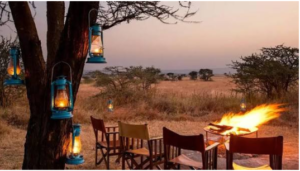
Understanding the structure of the price helps you judge value.
Park and conservation fees. These are the largest fixed cost. Rates are set by the park authorities and charged per person per 24 hours. The premium parks, such as the Serengeti and Ngorongoro, run at roughly $70 to $85 or more per adult per day, while Tarangire and Lake Manyara are lower at around $53 to $65. On a typical week in the northern parks, government fees alone come to roughly $500 to $600 per person. VAT may apply, so check whether quotes include it. dumaexplorer
Vehicle and guide. A guide-and-vehicle day rate is a fixed cost, and one guide estimates about $300 per day as a flat rate that often excludes park fees. This is why sharing a vehicle among a family or group lowers the cost per person. twowanderingsoles
Accommodation and meals. This is where mid-range pricing differs from budget and luxury. Lodge rates vary widely by location and season.
Extras. Visas, tips, drinks, and optional activities sit on top.
What a Typical Mid-Range Package Includes
According to one operator guide, a standard seven-day mid-range package typically covers five nights in lodge rooms, park fees, a shared vehicle with a guide, three meals daily, drinks, and two game drives per day. Included “drinks” often means soft drinks and water, not alcohol, so confirm this. safarifind
Usually excluded:
- International flights
- Tanzania visa (typically around $50 for many nationalities, though rules vary)
- Travel insurance and medical cover
- Tips for guides and staff
- Alcohol and premium drinks
- Optional extras such as balloon safaris
Best Destinations for a Mid-Range Safari
The Northern Circuit
The classic route links Tarangire, Lake Manyara, Ngorongoro, and the Serengeti. It is easy to organize, well supplied with mid-range lodges, and delivers the headline wildlife: lions, elephants, leopards, and vast herds.
- Tarangire: large elephant herds and baobab-dotted landscapes, especially in the dry season.
- Lake Manyara: scenic and compact, a good first-day stop.
- Ngorongoro Crater: dense wildlife and dramatic rim views. Expect a per-vehicle crater descent fee of roughly $295 to $300, which is usually included in packages.
- Serengeti: the centerpiece, with the Great Migration and year-round predator action.
The Southern Circuit
Nyerere and Ruaha are quieter, with fewer vehicles and activities such as boat safaris and walking. Mid-range camps here offer good value, though internal flights can raise the total.
Combining Safari with Zanzibar
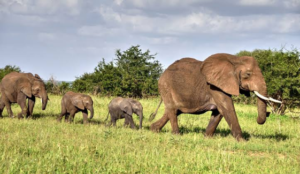
Many mid-range travelers finish with three or four days on Zanzibar’s beaches. It makes a restful end to an active trip and works well for couples and families.
The Best Time to Go
Timing affects both what you see and what you pay.
- Late June to October: the best overall game viewing, with animals concentrated near water and the migration in the northern Serengeti. This is peak season, so book early.
- January to March: calving season in the southern Serengeti, with big herds and active predators.
- November and December: short rains, fewer visitors, and good value.
- April and May: the long rains bring the lowest prices, but some camps close and roads can be difficult.
Fees at premium parks stay largely the same year-round, so seasonal savings come mainly from accommodation and operator rates.
Private vs. Group Safaris
Private safaris give you your own vehicle and guide, with control over timing and pace. They cost more per person but suit families, photographers, and anyone who wants flexibility.
Group departures share the vehicle and the guide, which lowers the per-person price. The trade-off is a fixed itinerary and shared sightings. Check the group size and vehicle seating, and make sure each guest has a window seat.
For most mid-range travelers, a private vehicle shared among a couple or family offers the best balance.
Lodges vs. Tented Camps
Mid-range accommodation falls into two main styles:
- Lodges: permanent buildings with restaurants, bars, and sometimes pools. They are comfortable and reliable.
- Permanent tented camps: canvas suites on platforms with proper beds and bathrooms. They feel closer to the bush and are often in better locations.
Many itineraries mix both, and there is no major quality difference at this level. Pay attention to location, since a camp inside or beside a park saves long morning drives.
How to Get the Best Value
- Travel in shoulder season. You can save on lodging while still enjoying good wildlife.
- Choose your parks carefully. Premium parks cost more per day, so balance them with Tarangire or Manyara.
- Stay longer in fewer places. Fewer transfers mean more time with wildlife and less money spent on driving.
- Book early. The best mid-range lodges fill up for peak dates.
- Compare itineraries in detail. Check named lodges, not “or similar.”
- Share the vehicle. Families and small groups cut the per-person cost.
- Ask about inclusions. Park fees, drinks, and transfers can differ between quotes.
- Use a local, licensed operator. Local companies often offer better value, though always check registration and reviews.
Tips and Extra Costs
- Guide tips: a common guideline is USD 10 to 20 per person per day, with smaller amounts for cooks and lodge staff. cheetahsafaris
- Balloon safari: around $500 to $600 per person in the Serengeti, an optional splurge.
- Insurance and vaccinations: plan these well ahead.
- Drinks, laundry, and souvenirs: budget a modest extra.
Setting aside an extra 10 to 15 percent beyond the quoted price helps avoid surprises.
Red Flags When Comparing Quotes
- A price far below the market range with no explanation
- Vague wording on park fees or “similar” accommodation
- Overloaded vehicles or no guarantee of window seats
- Pressure for large deposits by untraceable payment methods
- No verifiable license, reviews, or track record
Conclusion
A mid-range Tanzania safari offers the best balance for most travelers. You get comfortable lodging, a reliable private vehicle, an experienced guide, and access to the Serengeti, Ngorongoro, and Tarangire, at a price well below luxury. Expect to spend roughly $400 to $700 per person per day, with park fees forming a large fixed share. The best value comes from traveling in shoulder season, choosing a sensible route, comparing inclusions carefully, and booking with a reputable local operator. Do that, and you will enjoy a rich wildlife experience without overspending.
Fees, taxes, and rates change regularly, and published figures vary between sources. Confirm current prices and inclusions with your operator and the official park authorities before you book.
Key Takeaways
- Mid-range Tanzania safaris typically cost $400 to $700 per person per day.
- Park fees are a large, fixed cost, often $500 to $600 per person on a week-long northern itinerary.
- Packages usually include lodges or tented camps, full board, a private or shared 4×4, and game drives.
- The Northern Circuit is the most popular and best-supported route for mid-range travelers.
- Shoulder and low seasons reduce lodge costs, while park fees remain mostly steady.
- Check named accommodation, inclusions, and vehicle terms before comparing quotes.
- Budget 10 to 15 percent extra for visas, tips, drinks, and optional activities.
Frequently Asked Questions
- How much does a mid-range safari in Tanzania cost?
Most mid-range safaris cost roughly $400 to $700 per person per day. A seven-day trip typically comes to about $3,150 to $4,900 per person, excluding international flights. - What’s included in a mid-range safari package?
Usually lodge or tented camp accommodation, full board meals, park fees, a 4×4 vehicle with a driver-guide, game drives, and airport transfers. Alcohol, tips, visas, and flights are usually extra. - How many days do I need for a mid-range safari?
Five to seven days suits most first-time visitors, covering Tarangire, Ngorongoro, and the Serengeti at a comfortable pace. Longer trips allow a slower schedule or a southern-park extension. - When is the best time for a mid-range safari?
Late June to October offers the best game viewing. January to March is excellent for calving. November and December are quieter with better value. April and May have the lowest prices but heavy rain. - Is a mid-range safari suitable for families?
Yes, it’s often the best option. Many lodges welcome children, and private vehicles allow flexible schedules. Check age limits for activities and any child-pricing policies in advance. - What’s the difference between mid-range and luxury?
Luxury offers exclusive camps, premium service, private concessions, and often fly-in transfers. Mid-range delivers comfort and good guiding at a lower price, with more standard lodges and routes. - Are park fees included in mid-range prices?
Typically yes, but not always. Ask for a written breakdown of which fees are covered, including concession, vehicle, and crater fees. - Should I choose a private or group safari?
Private gives you flexibility and control, while group departures cost less. For families and couples, a private vehicle is usually worth the extra expense. - How much should I tip?
A common guideline is $10 to $20 per person per day for your guide, plus smaller tips for the cook and lodge staff. - How far ahead should I book?
For peak season, book 6 to 9 months ahead, since mid-range lodges fill up. For shoulder and low seasons, 3 to 4 months is usually enough.
I can also put this in a file, or adapt the tone, audience, or target operator if you’d like.